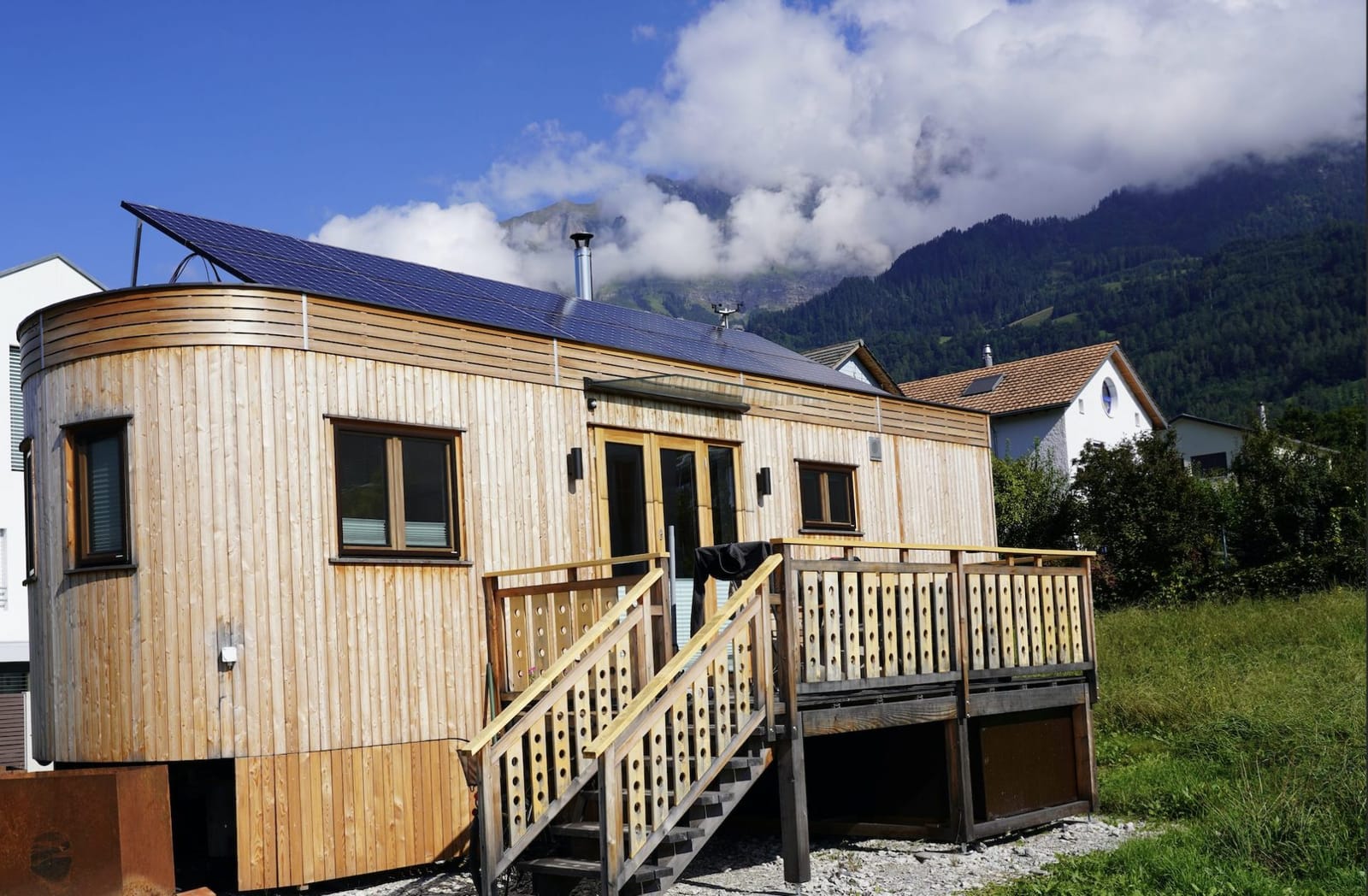
A tiny house community is a form of intentional living where multiple small-footprint homes share land, resources, and infrastructure within a specific geographic area or local municipality. Residents tend to believe in voluntary simplicity, content with fewer possessions. A tiny house does away with the excess, giving you just enough space to live, while the majority of your time can be spent outside of the home and in your community. With housing affordability in crisis, and people yearning for connection, perhaps it is time to build a tiny house community! Read on to learn how to start a tiny house community of your own.
How to Start a Tiny House Community
1. Build a Founding Team First
Avoid launching your project entirely alone. Before purchasing property, utilize the Match for Free link in the header above to identify and connect with local cofounders who share your timeline, budget, and vision.
2. Verify Local Zoning Laws and Infrastructure
Research local regulations to ensure tiny houses are permitted in your target municipality. In many states, tiny homes on wheels are legally classified as RVs, which face strict parking and storage restrictions. To bypass expensive infrastructure costs, search for existing mobile home parks or RV parks for sale that already feature built-in electric and sewage hookups.
3. Establish a Formal Legal Entity
Form a corporate structure to protect members and manage land ownership. If your community plans to rent spaces to short-term travelers alongside permanent residents, structure the group as a corporation where the core members are both shareholders and tenants.
4. Implement Professional Business Accounting
Set up your financial tracking system in collaboration with an experienced business consultant. Register your new corporate entity for all required state and federal taxes to ensure long-term financial compliance. Check the Consultants list below to find those in your area familiar with tiny homes.
5. Secure Permits, Licenses, and Insurance
Obtain all necessary municipal permits, operating licenses, and business insurance policies. If local regulations are restrictive, advocate for new tiny house permitting by presenting your project to city or county officials as a viable, proactive solution to the affordable housing crisis.
Examples
Tiny house directory has over 300 communities listed with prices and international hosting.
Tiny Tranquility community on the Oregon coast has shared amenities that include an indoor garden, exercise room, mail room, yoga area, tv room, laundry room, private storage area for residents, game room, library, outdoor barbecue, large shared kitchen with an ocean view, and a few rentable spaces for small businesses.
Dream River Ranch in Idaho hosts and advocates for tiny houses. It also provides equine therapy.
Delta Bay Tiny House Resort, between San Francisco and Sacramento, has resident amenities including a bathhouse, clubhouse, tennis courts, volleyball court, lawns, and fishing docks.